I was asked if it was strange to be away for Thanksgiving, and honestly it was not, although I did miss my family and friends. I was lucky that my daughter hosted a Friendsgiving, and that she invited me.
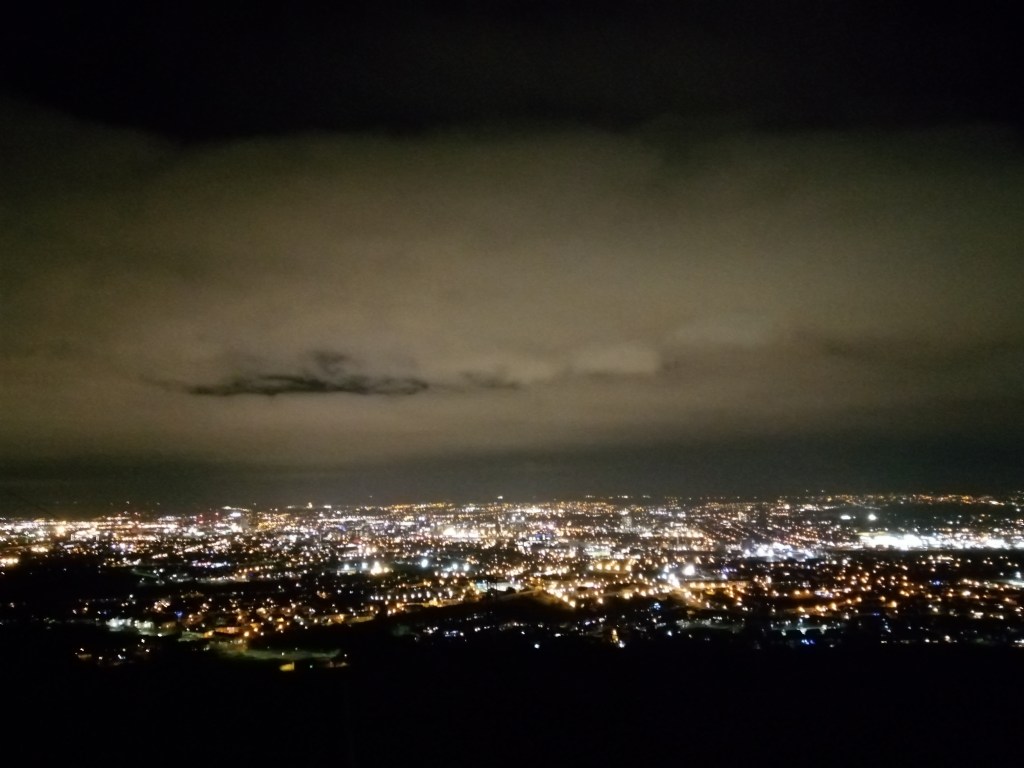
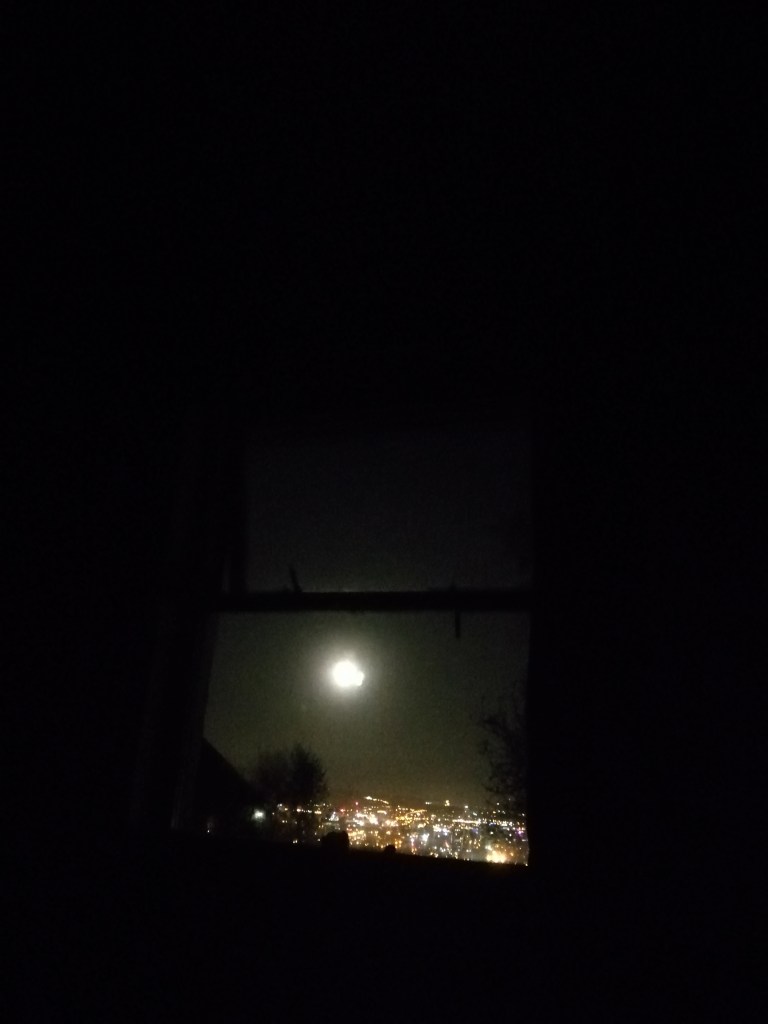
But it wasn’t until earlier this evening that I was given the opportunity to reflect on my own thankfulness. The sky was beautiful and as I took several shots of it, I was reminded of a conversation I had with some afterschool children, as we drove up the mountain one late afternoon. It had already started to get dark, and as we reached our summit you could see that Belfast was lit up and sparkling.
“Look at your city”, I encouraged them. “Can you believe it? Can you believe how beautiful it is?”
“Yes”, they answered simply.
I have been quick to see the dirt and edginess, the poverty and secularism, the dysfunction and chaos which is Belfast. It is all of those things. But I am thankful for the simple reminder of its honest beauty and the feeling of familiarity and home that it generates in the kids.
This past Saturday we all went in to work to tell our funders what it is we do up here. We are under the umbrella of a religious service organization, but as often happens there are disconnects between the ethos and mission created by well-intentioned persons, and the people who are actually doing the work.
We sat together in a large room welcoming people from the Republic and Northern Ireland, answered questions, and shared stories and anecdotes. Although I had heard several of the stories already, I was moved by them again, and I thought I’d share some of them here.
When this organization started 30 years ago, it was the only group that served mothers and children across the divisions created by The Troubles. Each day, several times a day, they would drive their vans from Protestant areas, into Catholic areas, and back again, zigzagging across Northwest Belfast. As winter descended and it began getting dark earlier, the drivers found themselves having to find different routes to drive families home, as the gates on the “peace walls” would be locked and guarded by police, military and paramilitary. Mobs were known to hijack cars, forcibly evacuating the occupants, only to burn these vehicles on the streets. At that time, there were often several car fires in Belfast every night.
One evening the group was stopped as they drove into opposition territory. A volunteer was driving the van and forced to pull over by an armed mob. The van’s occupants were told to get out, as the van was to be burned; the volunteer begged to be allowed to drive the mothers and children home, causing the mob to become angrier and more aggressive. From within the crowd a man stepped forward, clearly in charge, and asked the driver to confirm what group he was affiliated with. When the driver confirmed who they were, the leader of the mob stated “Ah… these people helped us during the famine, too. They’re good to us, let them go”.
The very beginnings of this work grew out of the understanding that the most underserved community members in Northwest Belfast during The Troubles were women and mothers. As the true “first responders” in their communities, women were often responsible for children, elders, partners and homes while dealing with extreme poverty, the violence of war, systemic isolation, with no representation or protection from governing bodies. Deep seated and generational trauma made women victims in their own homes and communities. Our group quickly became recognized for their good work, and their reputation [by affiliation with the religious service organization] of being “neutral”.
When the buildings that we are currently in started to be built, our group was visited by the leader of a paramilitary organization from one side of town. He came to inform everyone what protection prices were, and to offer them a “good deal”. It was pointed out to him that the building site was literally in the middle of “both territories”, to which he responded, “Ah that’s ok, we’ll work out the deal with the others, and yuse can pay us each half”.
One our group’s workers got in touch with a colleague who worked in the prison and let him know what had happened (our umbrella organization also serves within the prison system). This message was somehow passed on to the paramilitary’s leader who was in jail at the time, and nobody demanding protection money has visited our site since – not once.
There are many stories of how a divided Northwest Belfast and The Troubles have affected the work that happens up on the mountain.
Our buildings stand on what was once private property, donated to enable the vision of a neutral and safe place for families to come together; to support the recognition of commonality, rather than difference. We literally sit at the convergence of two roads – one leading into a Protestant neighborhood, the other into a Catholic one.
During The Troubles no garbage company would come up the mountain to empty the bins, as neither side wanted to be seen “crossing the line”. Protestant businesses didn’t want to be accused of being sympathetic to Catholics, and Catholics didn’t want to be accused of being sympathetic to Protestants. There was no convincing any of the garbage companies, and so the staff here had to drive the week’s garbage to the refuse yard on their own – only one of the many jobs they had to take on, as sectarian division kept daily life from functioning effectively.
Through all of this dysfunction and threat of violence, the workers never wavered in their commitment to families in their care, and never once shied away from picking them up and dropping them back home. Again, the only organization to cross sectarian lines, and to have integrated groups of women and children together, during The Troubles.
Long-term Belfast residents are quick to point out how much life here as improved but are also quick to admit that so much more still needs to change. Northern Ireland has been without a government for over 1000 days. It seems impossible but it’s true. How can a society move forward in constructive ways, when there is literally no way to make it happen?
The individuals I work with continue to commit themselves to the families they serve, despite the not-knowing that Brexit stirs up, the lack of government stability, and the systemic poverty. I am in awe and have the deepest respect for each of them.
Belfast, Derry, and many places throughout Northern Ireland celebrate Halloween in big ways. Most schools are closed for the week, and teachers used last week to have family conferences; many children had a week of half-days last week, as well.
My housemate and I can hear and see fireworks in multiple neighborhoods. Some are so bright, they light up the skies and we can see the outlines of homes, cars, and people moving about. Multiple explosions sound like rapid gun fire, and truthfully, it’s hard not to make that connection.
In one area of Northwest Belfast, there is huge bonfire going. Even without binoculars, it looks as if a pile of American telephone poles has been set ablaze.
With Brexit on hold, tomorrow should be like any other day in our neck of the woods; I wonder what clean-up may or may not look like.
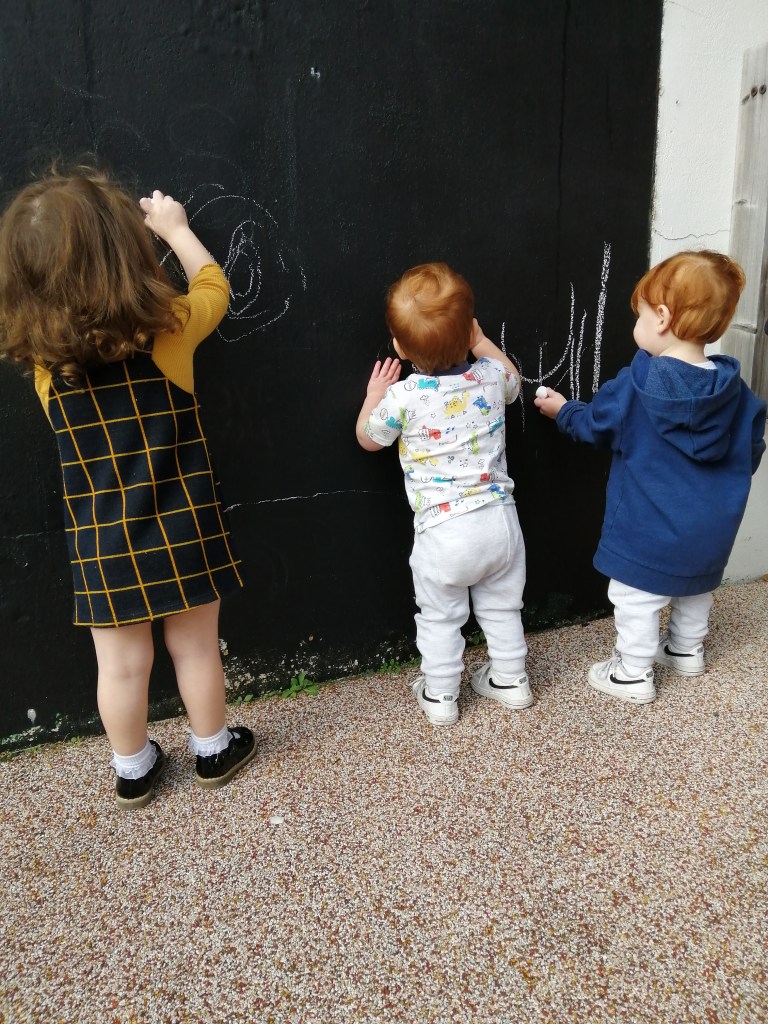
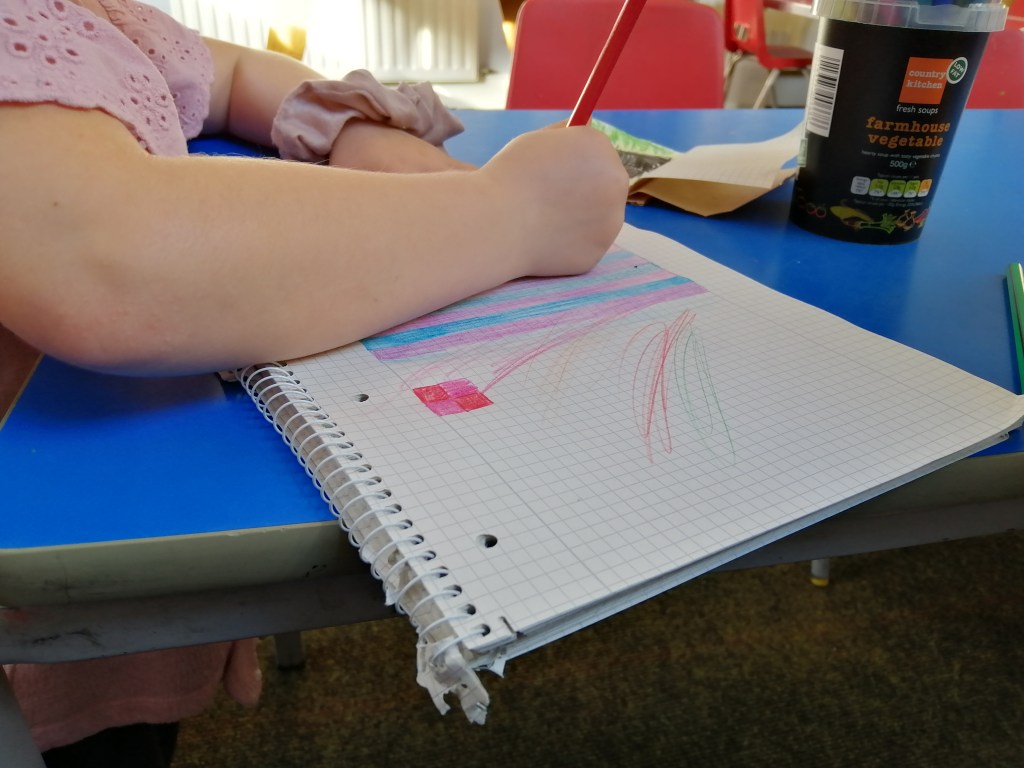
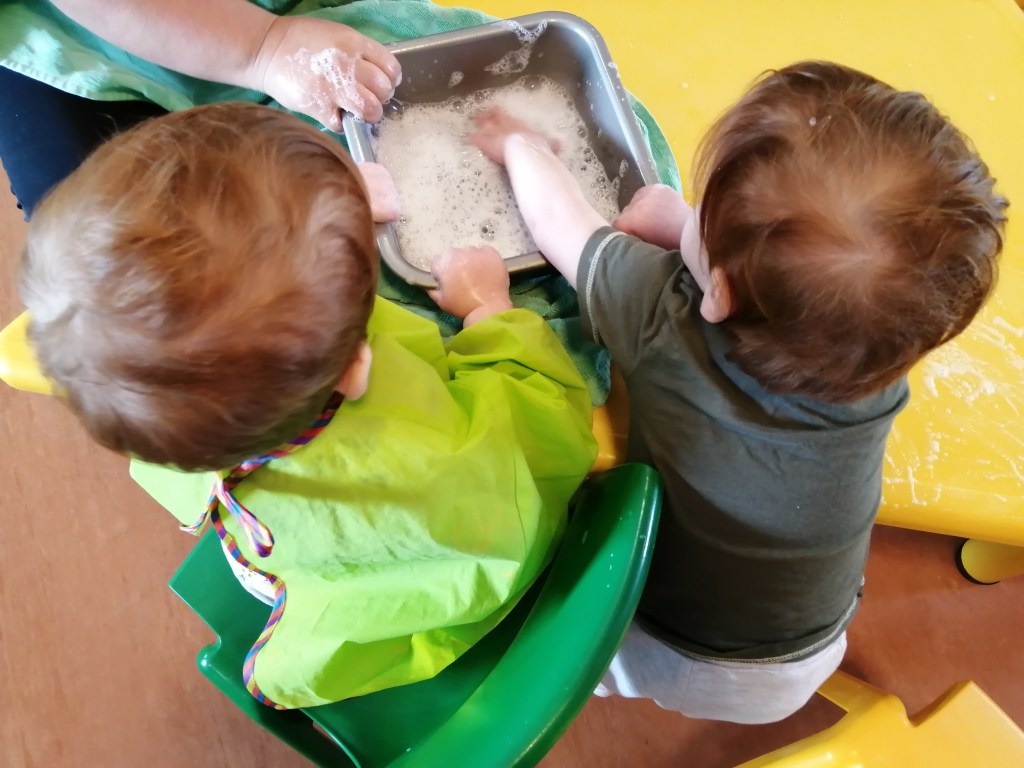
Three siblings using chalk outside. Working on core strength, fine motor grasp, twisting and maintaining balance, in and out! https://dhg.org.uk/links.aspx?nationalRefueling each other. https://williams-syndrome.org.ukThree of us chose to collaborate on some coloring, during after school. This wee person played the piano, sang, and bopped. Portable bubble play. Exploring, with comforting and much-loved blankie nearby.
I’m feeling more and more comfortable. I know where at least one family lives, and can make my way to the petrol station where we have an account, and to the grocery store nearest where I live – all without GPS. Happy days.
Overall things are going well, and I feel more connected to Belfast, and the people I’m meeting; I think they have a better handle on who I am, too.
As usual, I look for themes and patterns, as a way to manage what I might not know, to build on what’s come before, and to gain information about children, families, and culture.
I realized that my coworkers report weekly, on suicides they’ve learned about in the news or from family. As we drove around picking up children for after school last week, we passed a house with teenagers pouring out of the open door, leaning on railings, smoking and talking. It was the home of a young woman who had committed suicide, and she was being waked there. Home wakes are still fairly common in Northwest Belfast.
During this sabbatical I have had to constantly remind myself, that my time is my own. I have had plenty of knee jerk starts and anxious jolts, a feeling that I must rush somewhere, or that there is some urgent paperwork needing my immediate attention. What a gift to consciously let go of all that, and allow myself to be in the moment.
It is all still a bit of an adventure. Driving to a new grocery store with my housemate after mandatory child protective training, with no where else to be… allows for reflection, and deeper discussions. I felt no sense of urgency to rush home, beat the traffic, or prepare for the next day. It was enough to be navigated through a new neighborhood and talk about the information we had received.
Tomorrow I’ll see children again, change nappies, and sing songs about being on a mountain.
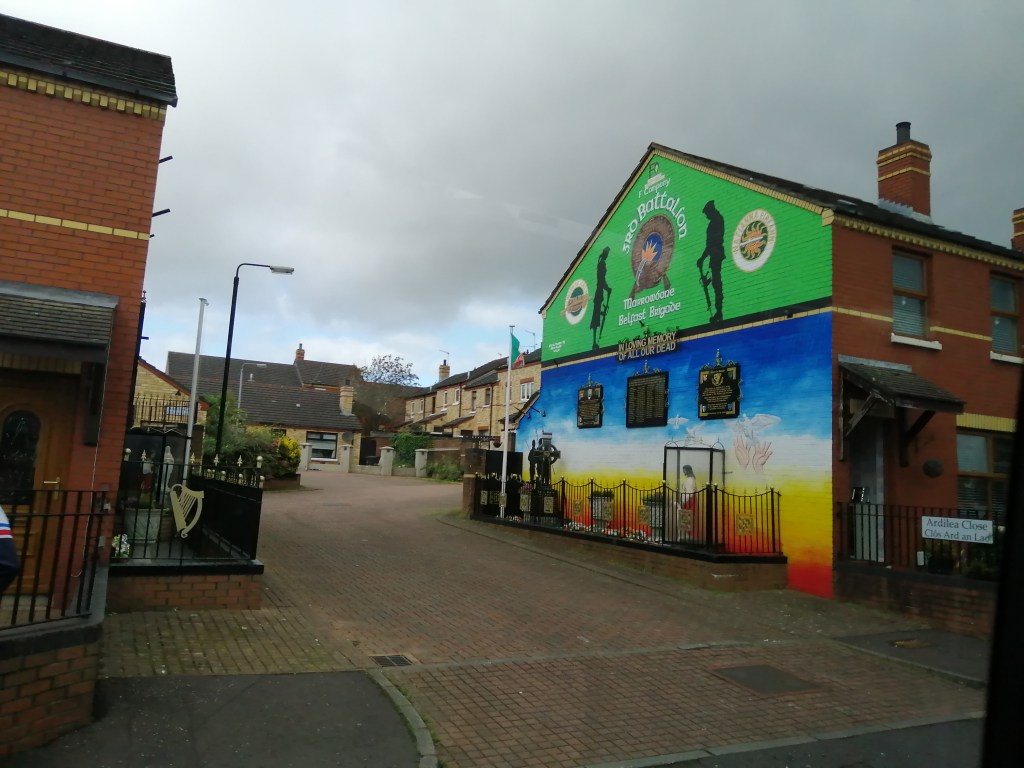
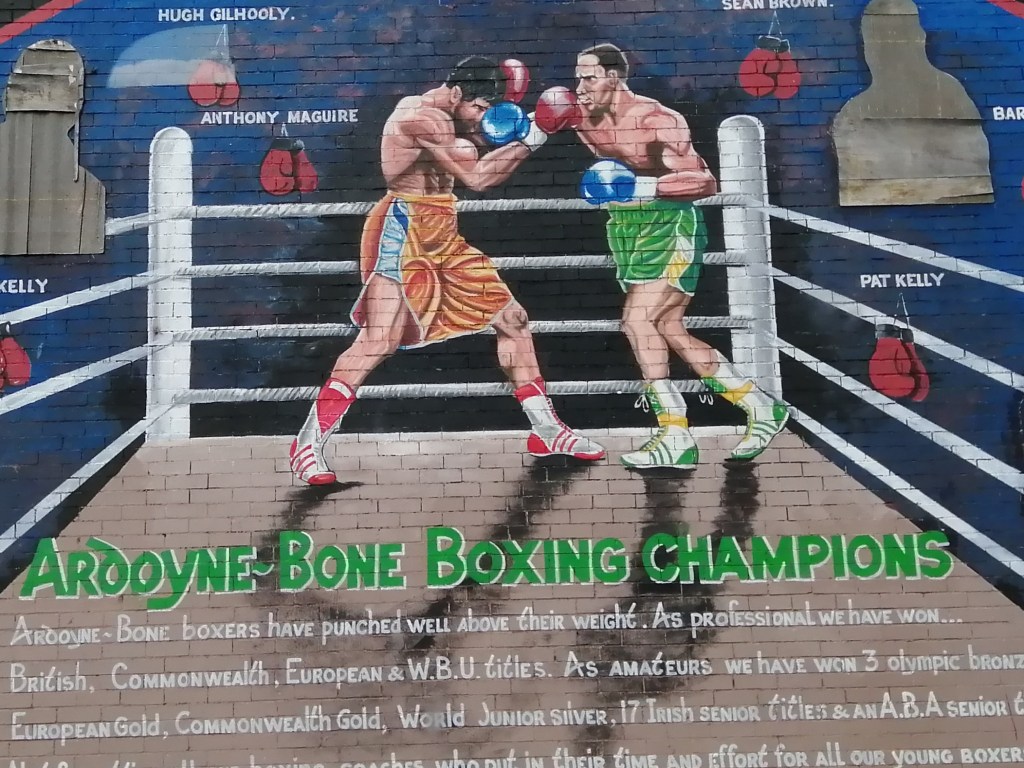
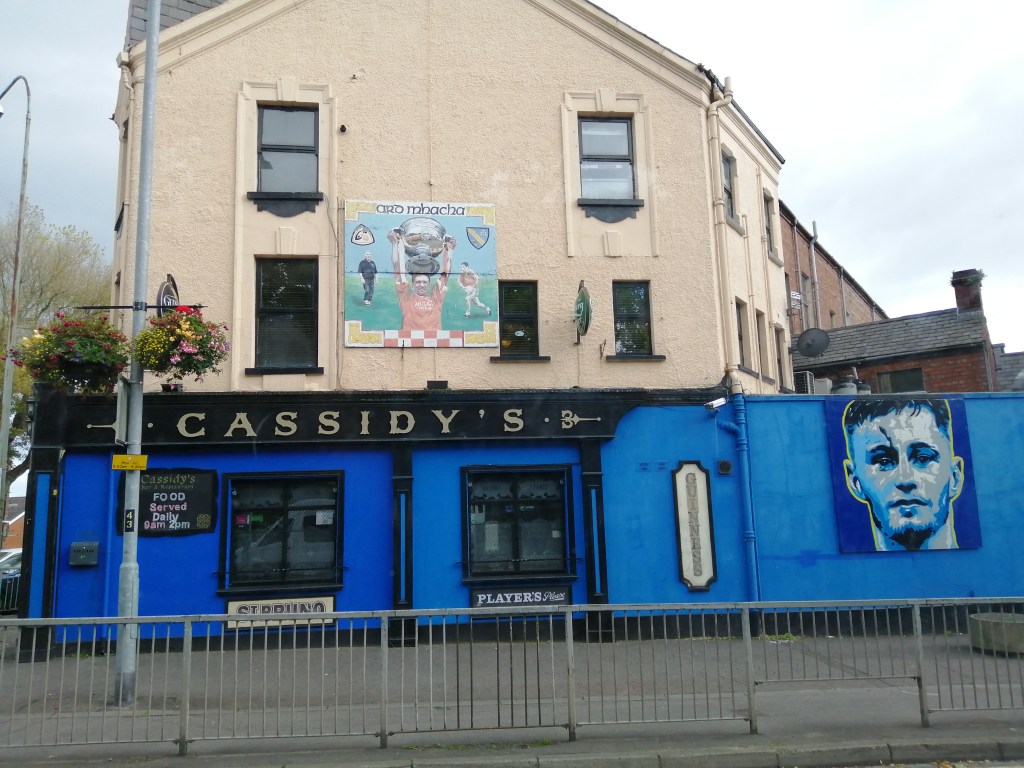
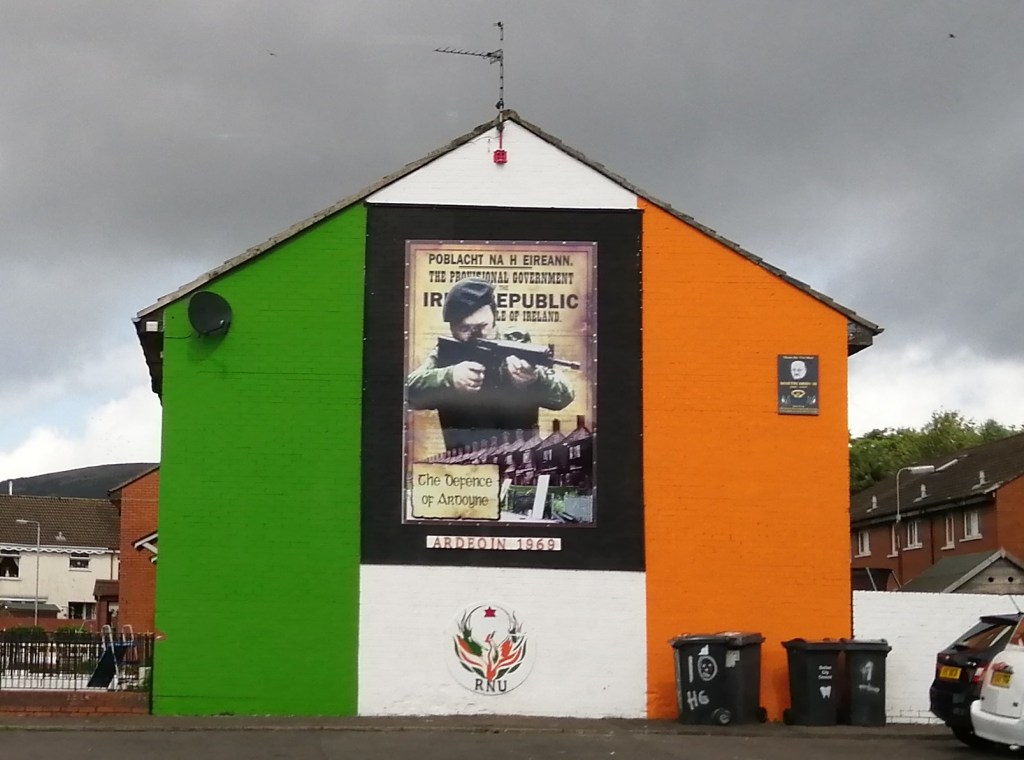
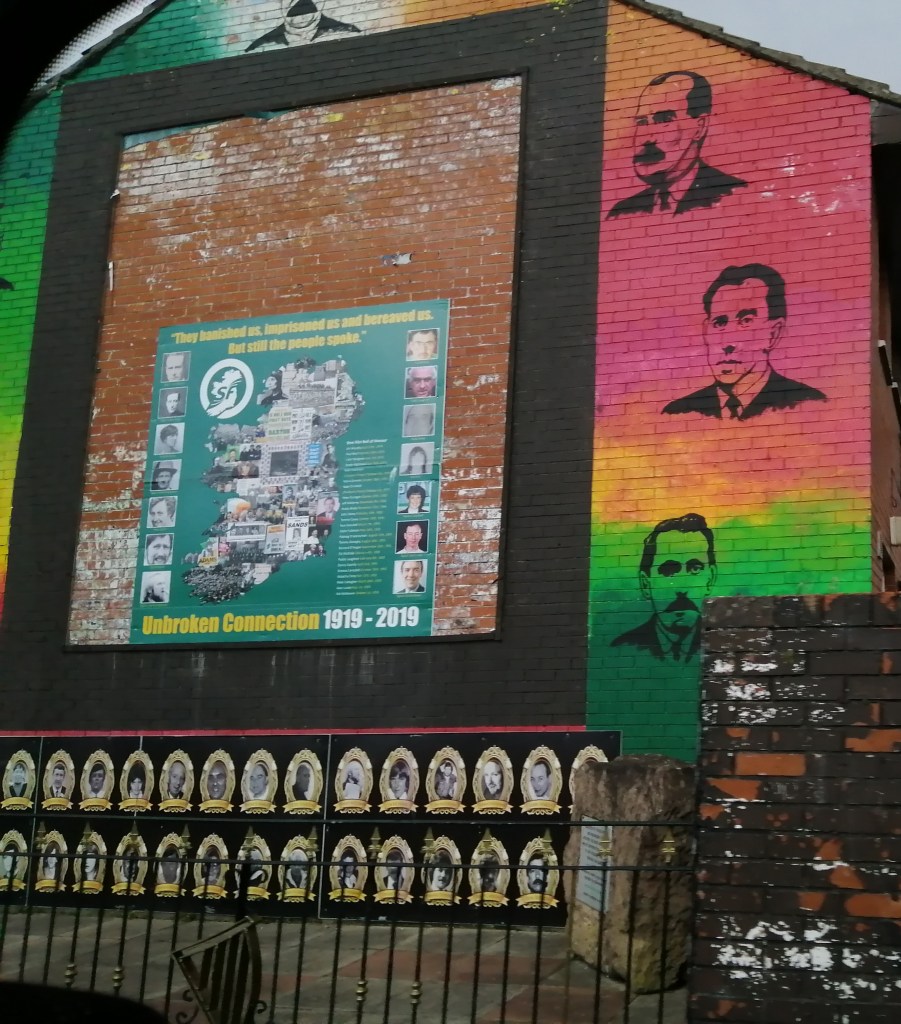
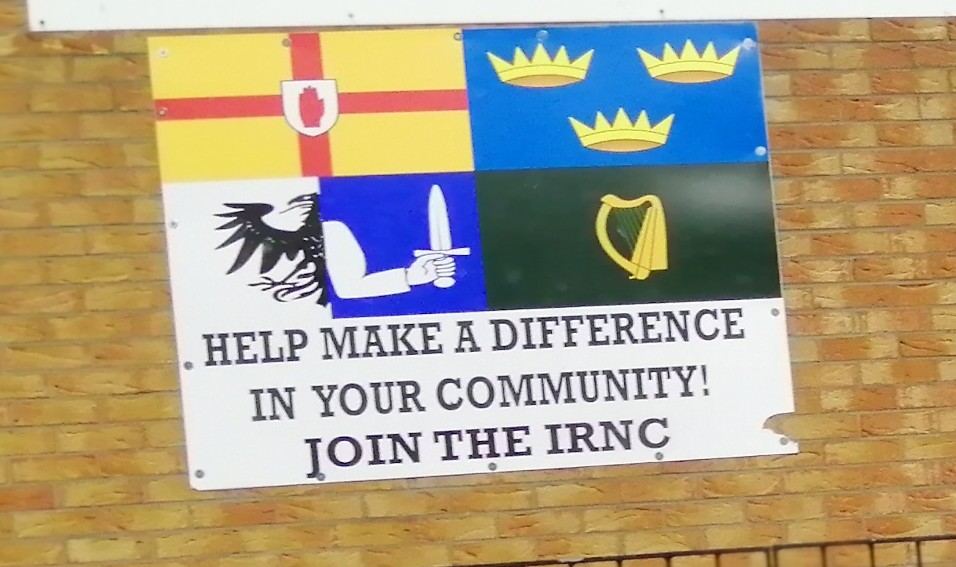
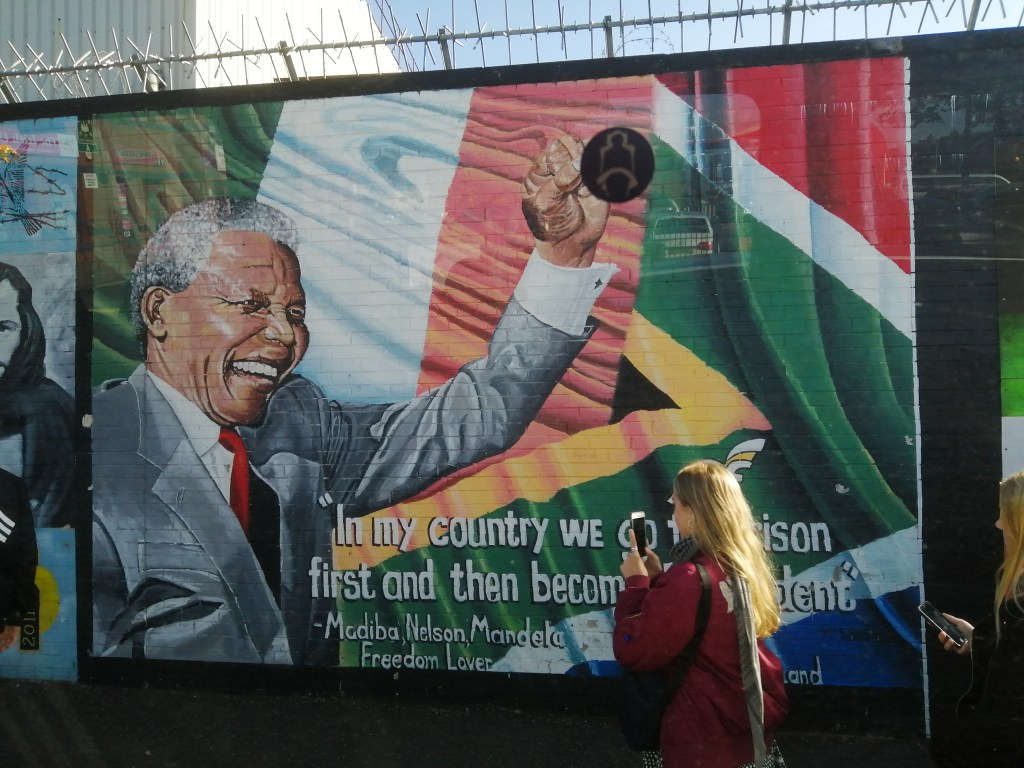
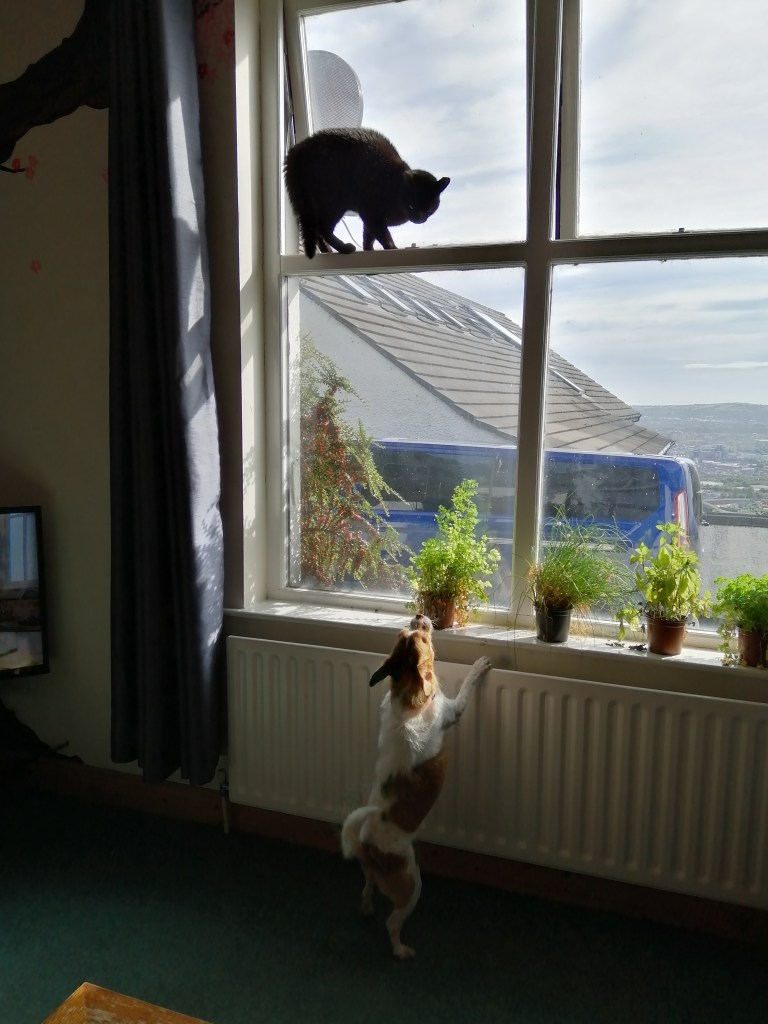
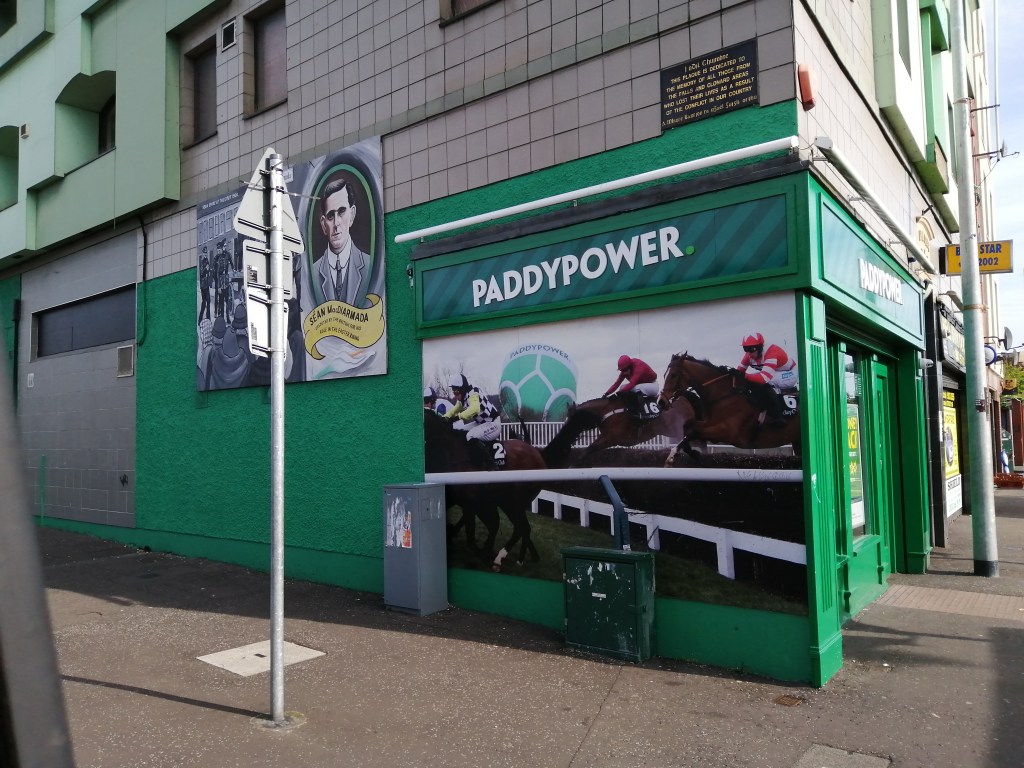
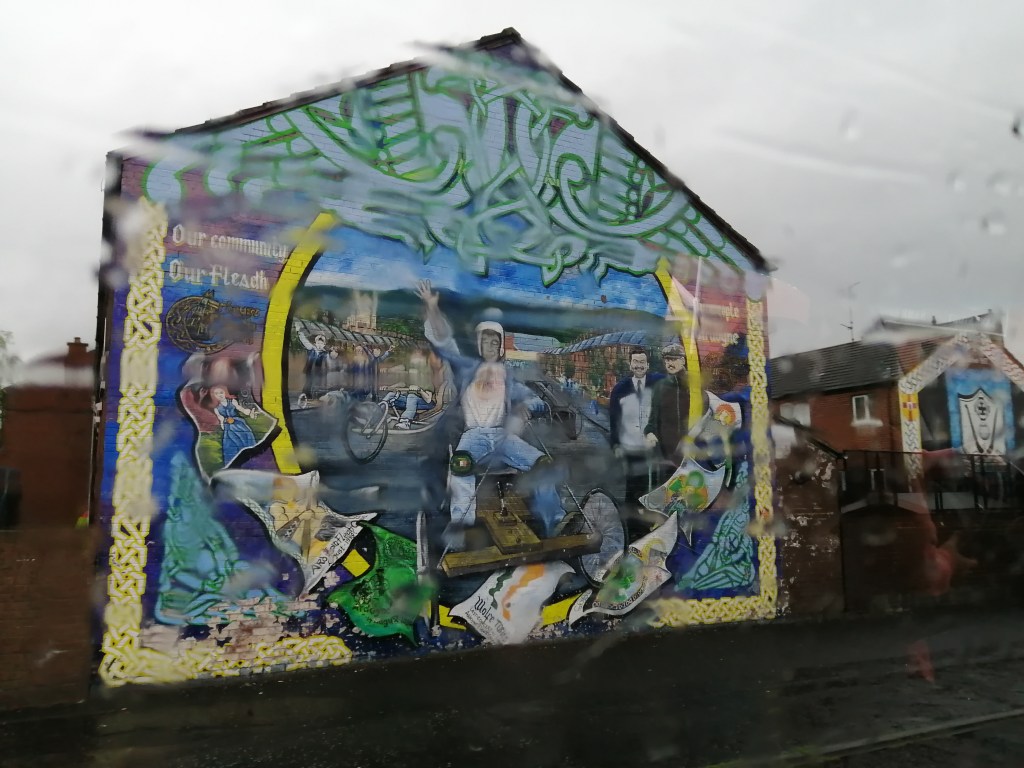
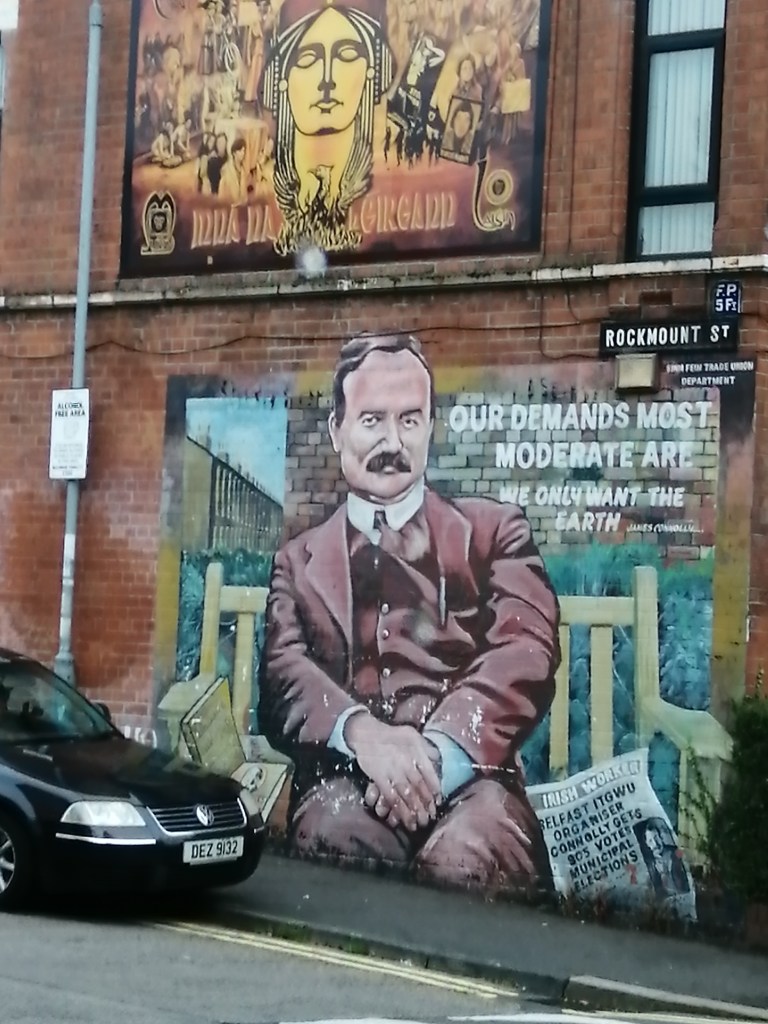
There are multiple murals in every Northwest Belfast neighborhood. Main streets, cul de sacs, small alleyways, cross roads… all provide potential messaging and community affiliations. The Irish Republican National CongressAt The Crown Pub. “In my country we go to prison first and then become president”. Resilient beauty.Phryne and I got a visitor; she literally climbed up the side of the house and came in through the open window. The view from my bedroom window never gets old.
Today a mum asked one of her young ones to be careful of her tummy. She let me know she had just come out of hospital, because “I got sterilized”; she is 23 and has five children, the oldest being eight. Her children look neglected at times, and she herself looks tired and hard. Her own mother lives around the corner, but doesn’t often provide support. Generations of stress and poverty, cycles of exhaustion and neglect.
Today was a “leaving day”, as some of the children finish up their time in our program. There is deep sadness, which is masked by flippancy, angry outbursts, confusion, and extreme silliness.
The staff are often left wondering if what they do is helping; if they are able to stem some kind of relentless tide. They are not mental health care professionals, but are on the front lines of a mental health crisis, using limited resources and exercising only personal knowledge of their community. Some visit homes of former families, to do a “wee check”, and then report back to their colleagues, all on their own time. They try and find ongoing programming, responsive schools for children, and help the mums to find connections outside of this program. They have mums returning with each new baby, and now daughters, nieces and granddaughters returning, after having babies of their own.
I wonder how my coworkers keep from becoming debilitated and burnt out. They have all been working here for long periods of time. “I am a different person now, than I was when I started” one told me. “I’ve had my eyes and mind opened. I get to be with people I normally wouldn’t have known. I’ve learned a lot. I’m more patient, I know more, I don’t judge people as much” she said. She is proud of herself, her colleagues, and the work they do.
We have tea together every morning. We set up cups, a pot of tea, carafe of coffee, toast and bits. We sit together and talk about work, or the tv shows we’re watching, or someone’s last holiday trip. We congratulate a recent graduate, we marvel at someone’s new shoes, we talk about weekend plans, and what we’re making for supper. We’ve even started talking about finishing up our Christmas shopping. It’s all of 15 minutes, but it grounds us all, and binds us together in a shared and nurturing experience, before we head out to listen, navigate vans through the streets of Belfast, wipe bums and noses, and hold emotions.
Feeling a bit disconnected from my home today. Trying to establish routines for myself, so that not everything feels new. It was good to talk about 9/11 with people over here; I had started my student teaching at Bank Street the week before and the response of the Bank Street community, confirmed my desire to be a part of it.
Being outside with the children today was soothing. The wind was pretty strong on the mountain today. Lots of hooded jackets and jumpers, and squeals of, “Windy!”.
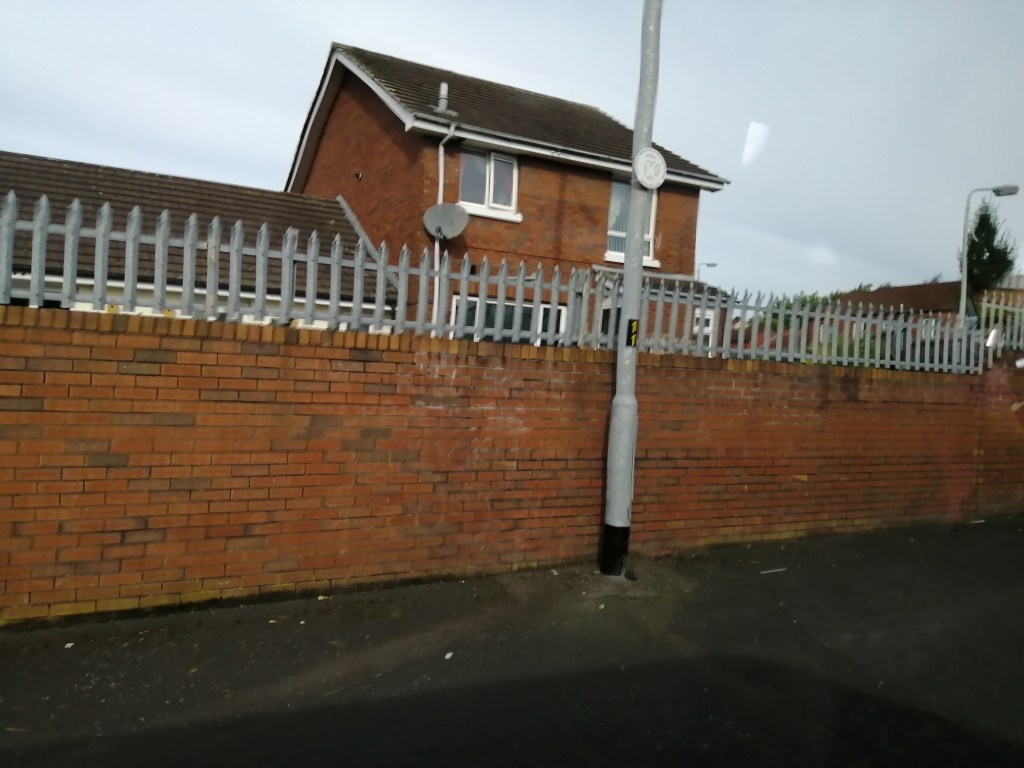
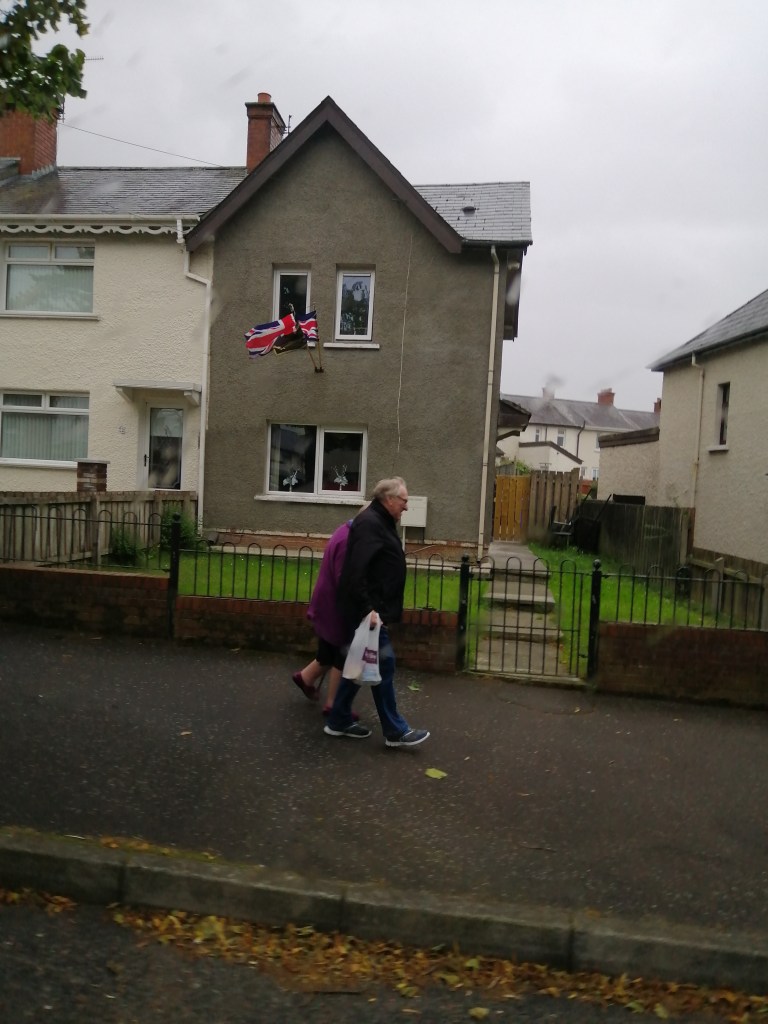
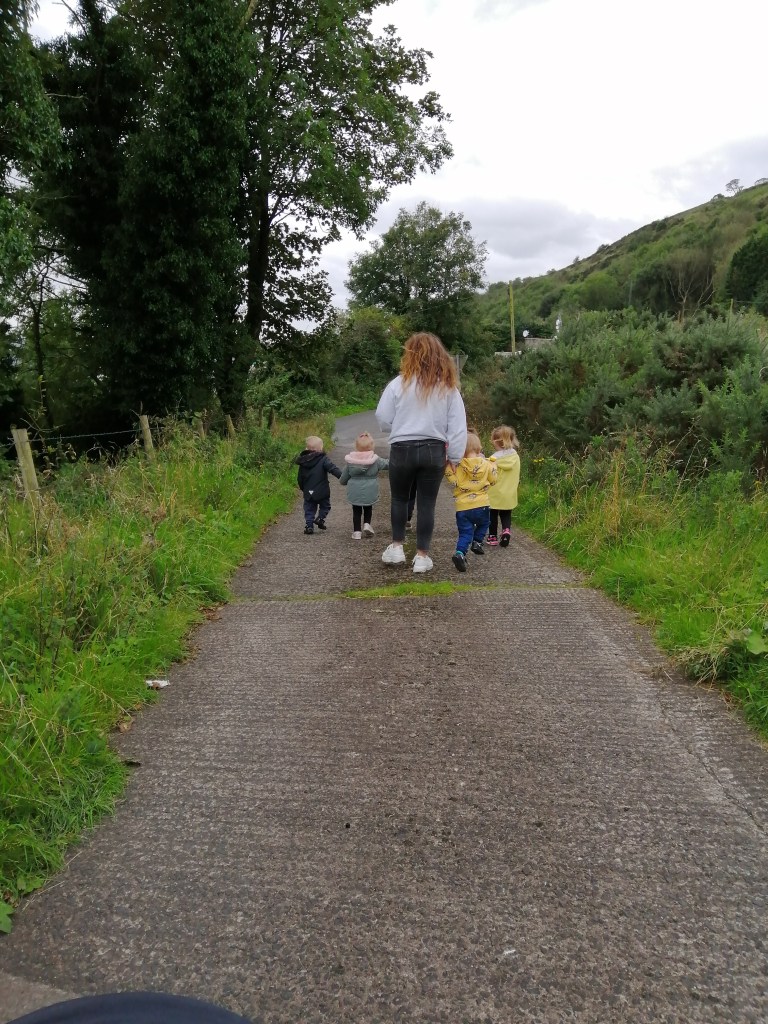
“Dar’s a shine by my Granny’s howsh… NO BEERSH!”It is a city of barricades, fences, and walls. Through a rainy window. Looking for sheep, cows, donkeys, doggies, and blackberries.
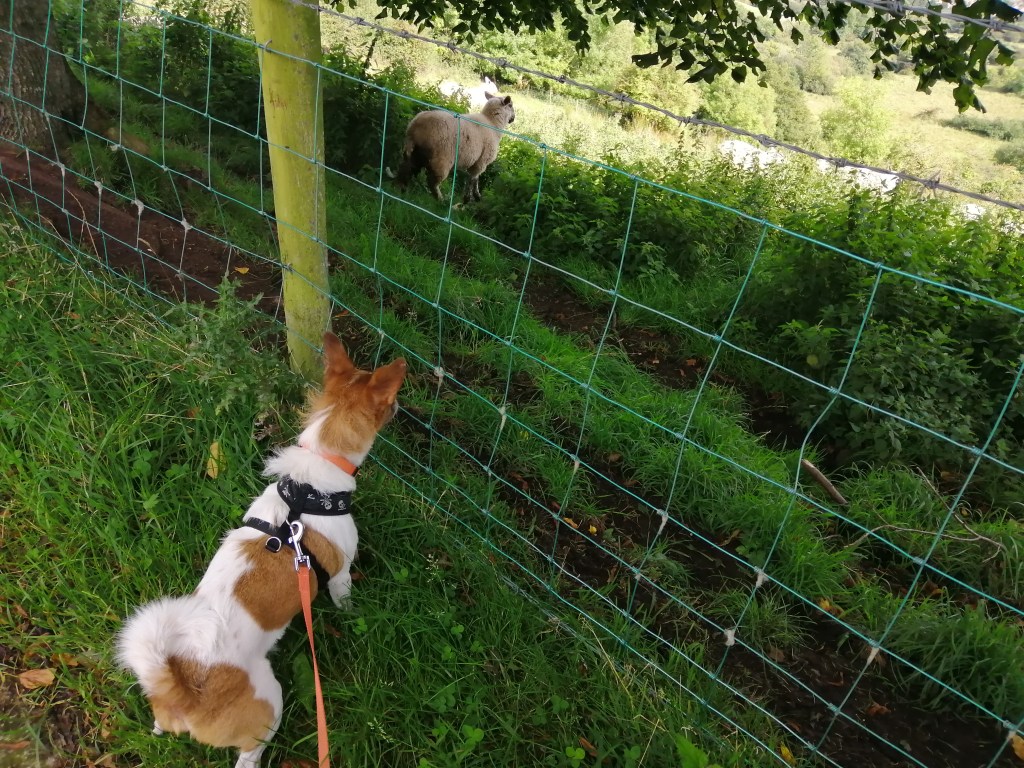
When my dog Phryne sees sheep, she comes alive, in a way that I haven’t seen before. It’s like she’s had an inner and dormant sheepdog inside, that has been woken up. If she weren’t on her leash, there’s no way I could ever get her to “stay”, or to even “come”. This new environment has given her experiences she didn’t have in Brooklyn.
I know I’ve been thinking about what the children I work with see in their everyday lives. Many have seen sheep, but only here on the mountain, when the teachers take them out, or if they take a trip outside of the city center. I don’t think that’s too unusual for a city kid.
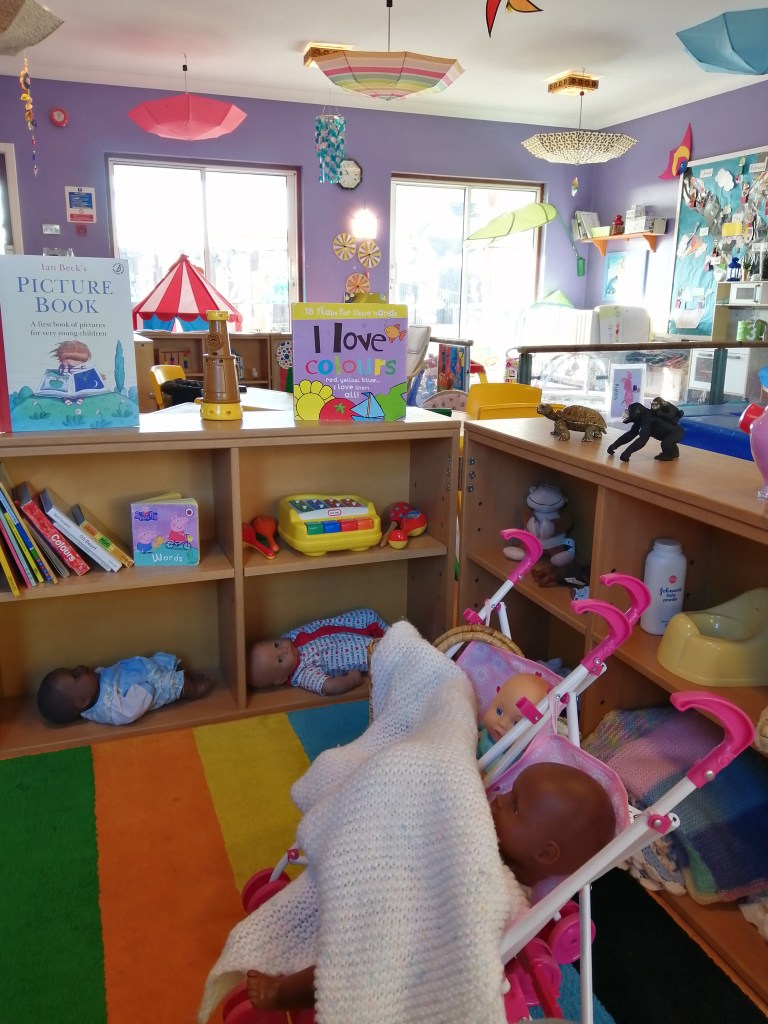
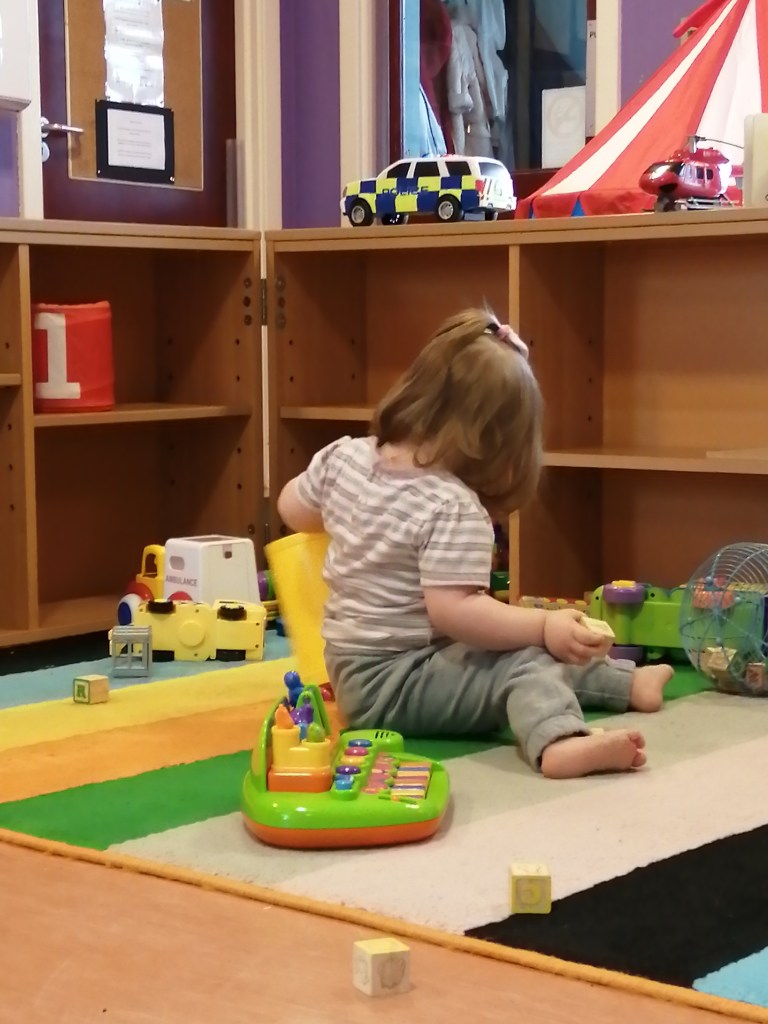
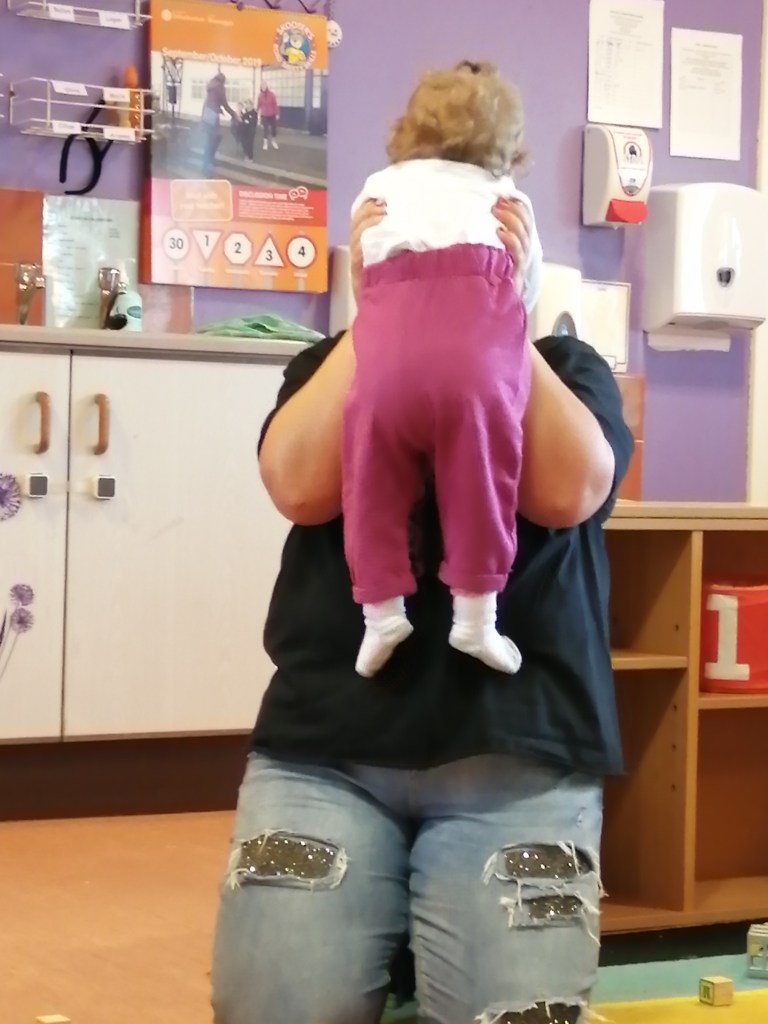
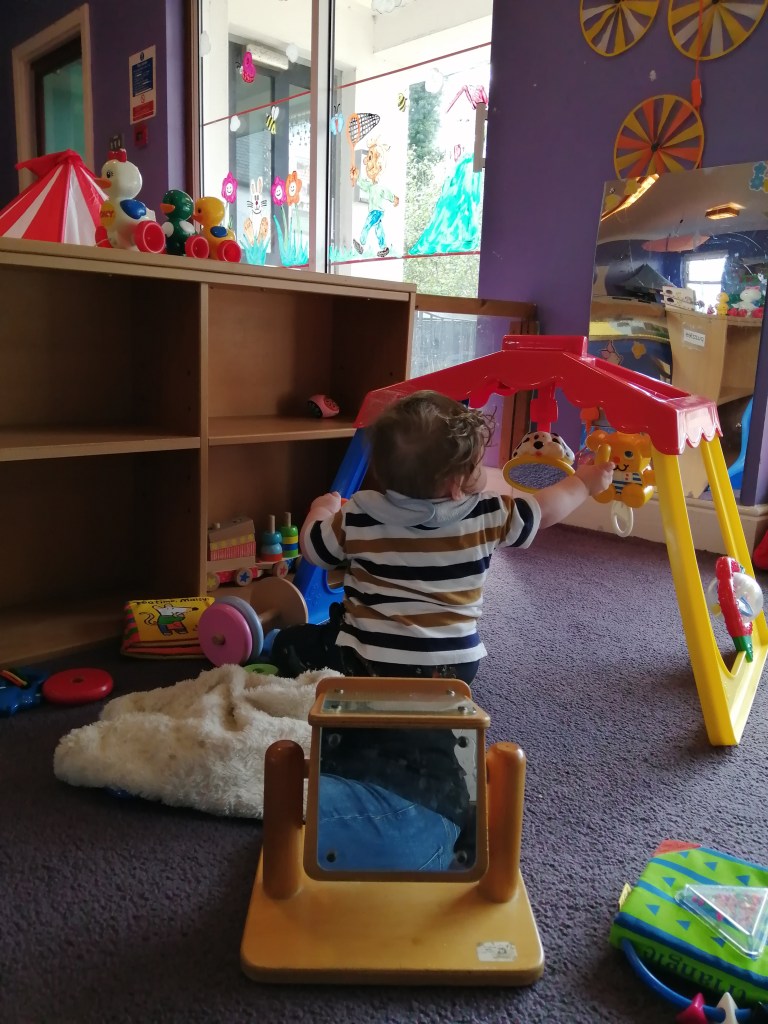
In the play room, there is much joy, and the children love the songs and routines that are part of their time here on the mountain. They are eager to explore, and are growing in their ability to tell adults what they want, to play together, and to share experiences.
When I can, I’ll post pictures from their neighborhoods. This is some of what they see:
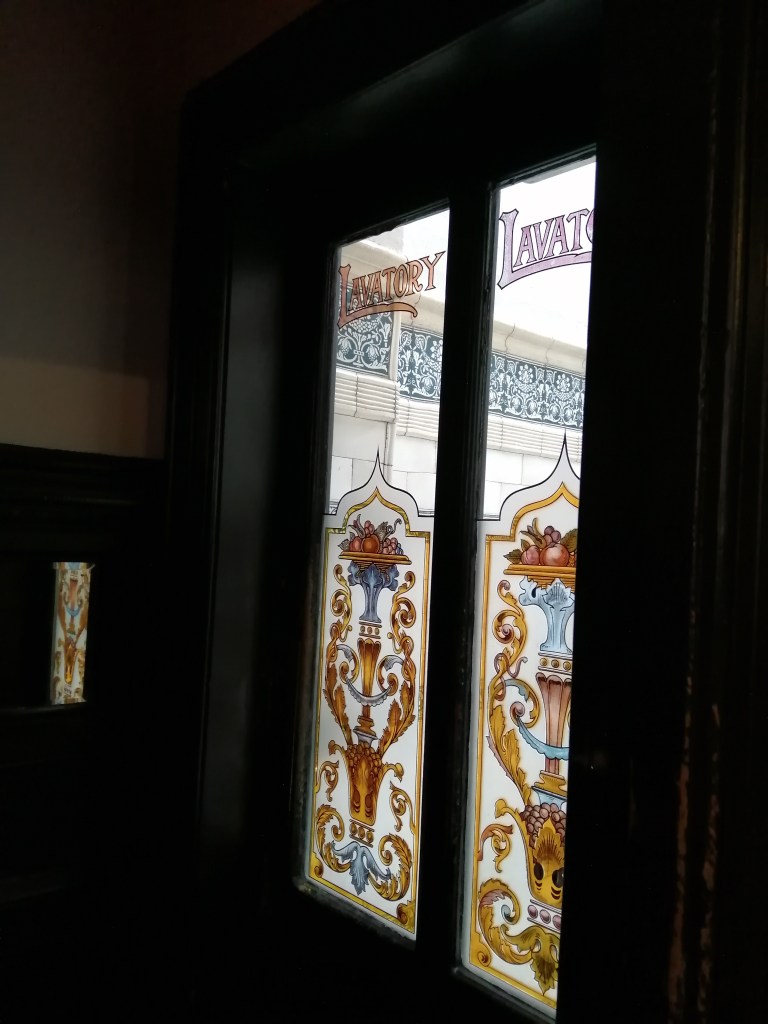
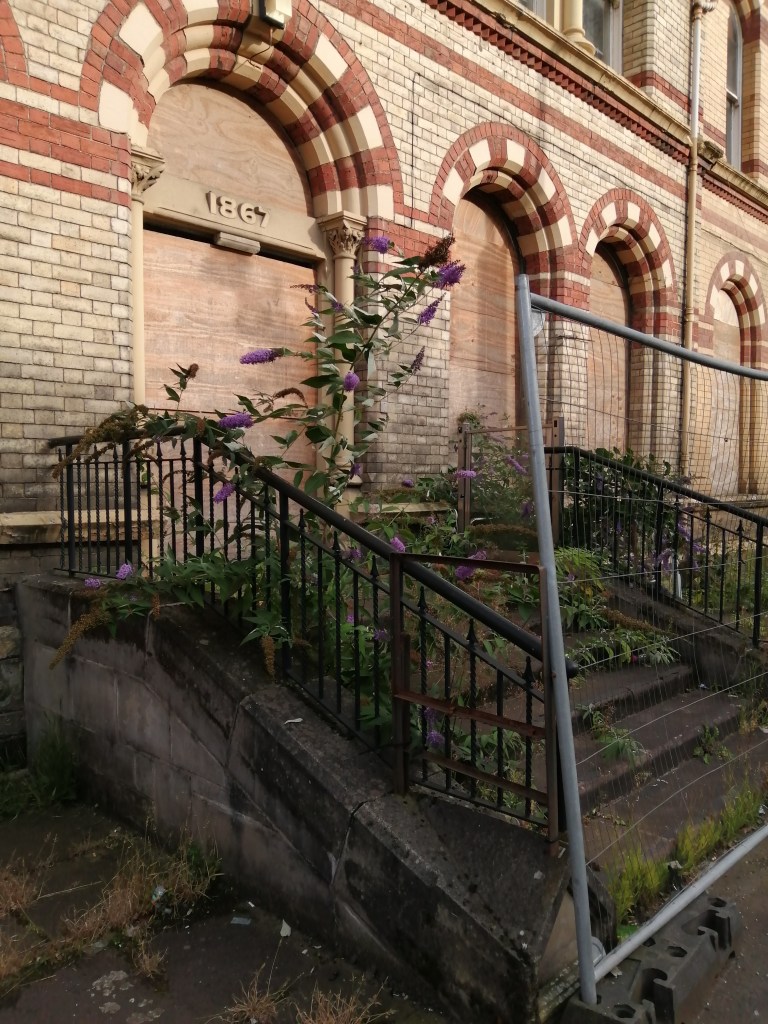
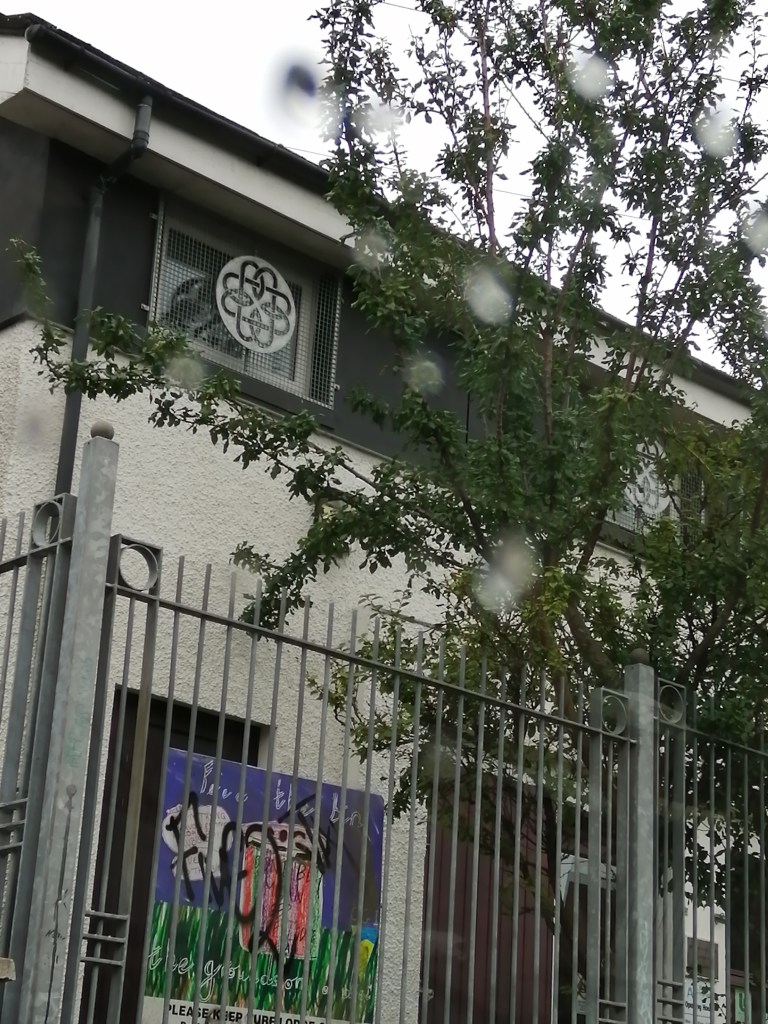
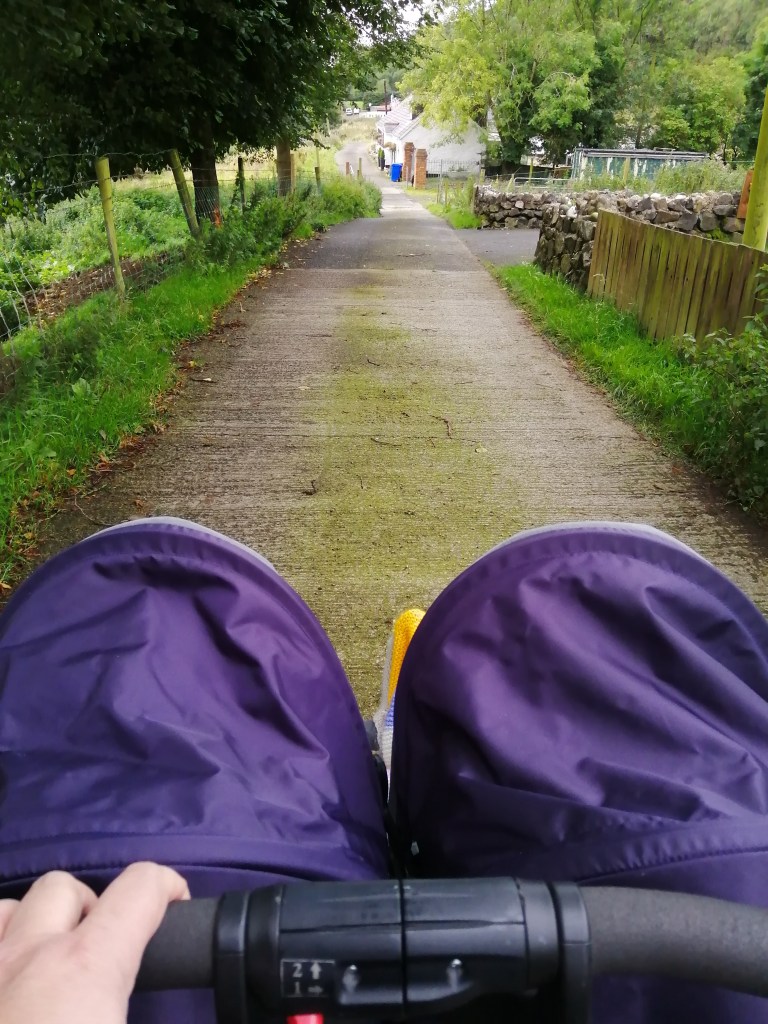
A Celtic window, and a graffiti marked sign, reminding the neighborhood to use the bin; this a community information center that is locked with a high and locked fence around it. One of the many Belfast murals. Walking two “bobbies” in a twin pram; this is the road I now live on, and where the program is.






 Brooklyn to Belfast